Most Common Problems with Shut Off Valves
Shut-off valves are unsung heroes in every Florida home. These small devices let you quickly stop the flow of water when there’s a leak, burst pipe, or plumbing emergency. But when these valves fail, even a minor drip can spiral into serious damage.
In Florida, plumbing systems face unique stressors: high humidity, corrosive groundwater, and very hard water. Over time, these factors can degrade shut-off valves, making them unreliable or even dangerous. This guide helps Florida homeowners and property managers identify, troubleshoot, and maintain shut-off valves before a small problem becomes a big one.
Types of Shut-Off Valves and How They Work
Understanding what type of shut-off valve you have is the first step in diagnosing issues. Here are the most common kinds found in Florida homes:
Understanding what type of shut-off valve you have is the first step in diagnosing issues. Here are the most common kinds found in Florida homes:
Gate Valves
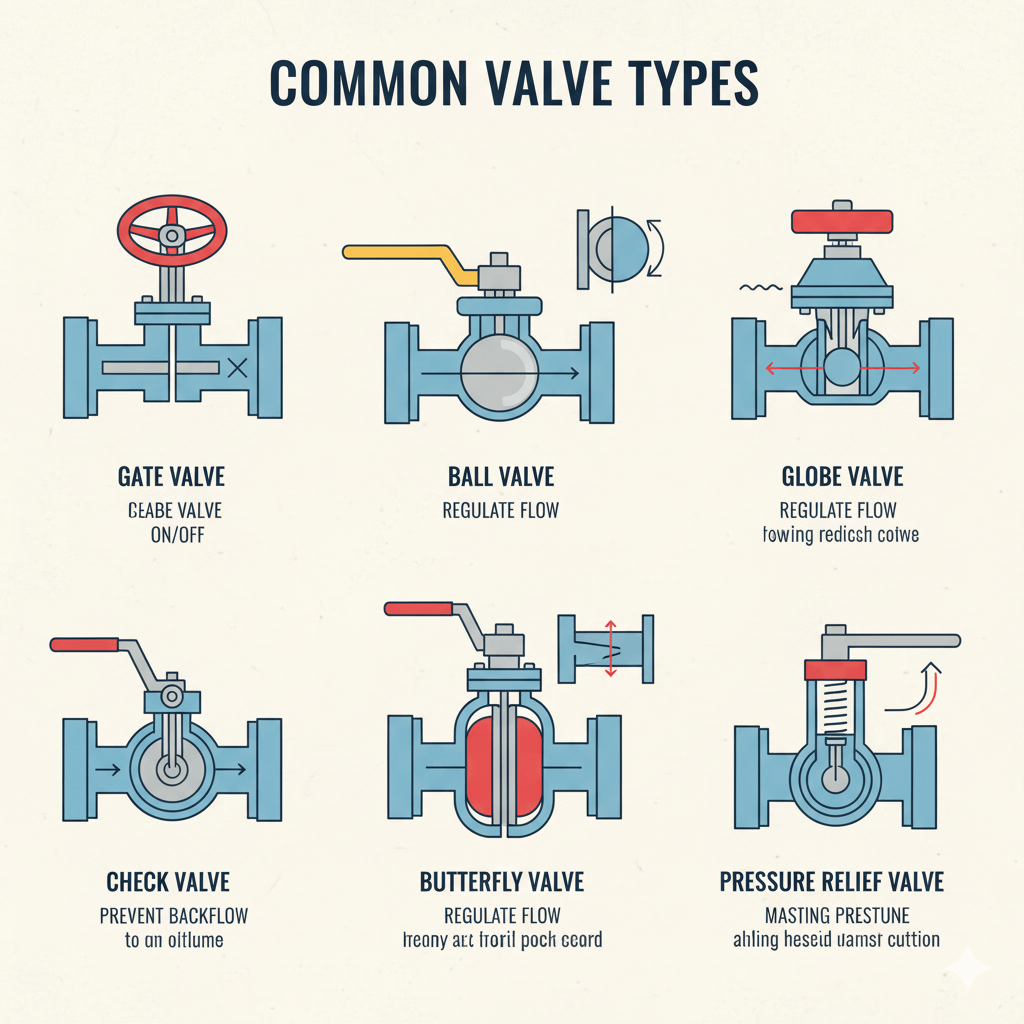
These are traditional valves with a rising or non-rising stem that lifts a “gate” to stop water flow. They’re common on main lines and older plumbing systems.
Ball Valves
These use a ball with a hole drilled through the center. Turning the handle rotates the ball, opening or closing the flow. They operate quickly (quarter turn), making them ideal for emergency shut-off.
Saddle Valves
Often seen near water heaters or refrigerators, these clamp onto an existing pipe. They’re known for being compact but less durable.
Compression Valves
These valves rely on a compression seal (typically a washer) to stop flow. Found under sinks or behind toilets, they’re widely used but can wear out.
Angle Stop Valves
Angular in shape, these valves change the direction of flow (usually 90 degrees). They are common in fixtures and are often paired with compression mechanisms.
Visual Tip: Draw a simple diagram: show a straight pipe with a gate valve, a ball valve, a saddle valve, and an angle stop. Label how the water path stops when each is closed.