Heat Pumps 101: The Importance of the Reversing Valve

In Florida’s ever-changing climate, keeping your home comfortable year-round can be a challenge. But did you know that a small component in your heat pump, the reversing valve, plays a huge role in ensuring comfort while also saving energy? Whether it’s the middle of summer in Miami or a cool winter evening in Orlando, understanding how your heat pump’s reversing valve works is essential for optimal system performance. Let’s dive into this unsung hero of your HVAC system and explore how it helps your home stay comfortable, all while keeping your energy bills in check.

Introduction to Heat Pumps and Their Role in Florida Homes

Why Heat Pumps are the Ideal HVAC Soluion for Florida Homes

Florida’s weather is nothing short of unpredictable. With hot summers and mild winters, it’s essential to have an HVAC system that can provide both heating and cooling efficiently. This is where heat pumps come in. Unlike traditional systems that use separate units for heating and cooling, heat pumps do both, making them the perfect all-in-one solution for Florida homeowners.

In Miami, where summers reach 90°F and above, the heat pump’s cooling mode helps you stay comfortable. During the cooler months in places like Orlando or Tampa, the heat pump switches to heating mode to maintain warmth. This flexibility makes heat pumps an energy-efficient and cost-effective choice for year-round comfort.

However, the efficiency and performance of heat pumps depend on several components working seamlessly. One of the most critical parts is the reversing valve.

What Is a Heat Pump Reversing Valve?

Definition and Role in the Heat Pump System

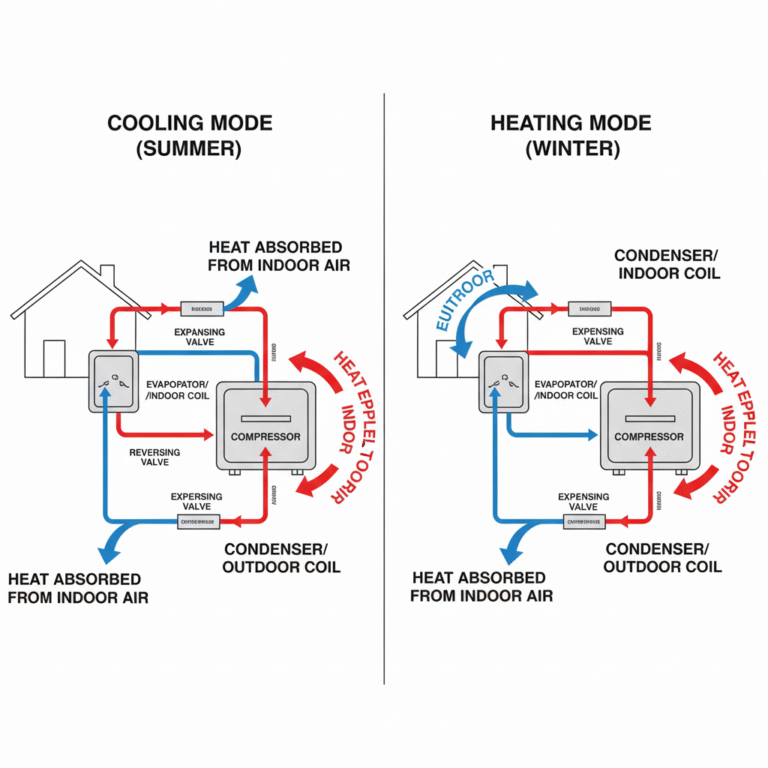
A reversing valve is a crucial component of your heat pump system that allows the unit to switch between heating and cooling modes. Think of it as a traffic controller for refrigerant. In cooling mode, it directs the refrigerant to absorb heat from inside your home and release it outside. In heating mode, it switches direction, allowing the refrigerant to absorb heat from the outside air and release it indoors.

Without the reversing valve, your heat pump wouldn’t be able to provide the dual functionality it does. It’s a small component, but its role is fundamental to making your heat pump system versatile and efficient.

Why It’s Essential for Florida Homes

With Florida’s year-round need for both cooling and occasional heating, the reversing valve is vital to keep the system running smoothly. Miami’s tropical climate demands cooling almost all year, but the mild winters in places like Jacksonville make heat pumps ideal for providing both warmth and comfort during cooler spells.

How a Heat Pump Reversing Valve Works

The Mechanics of the Reversing Valve

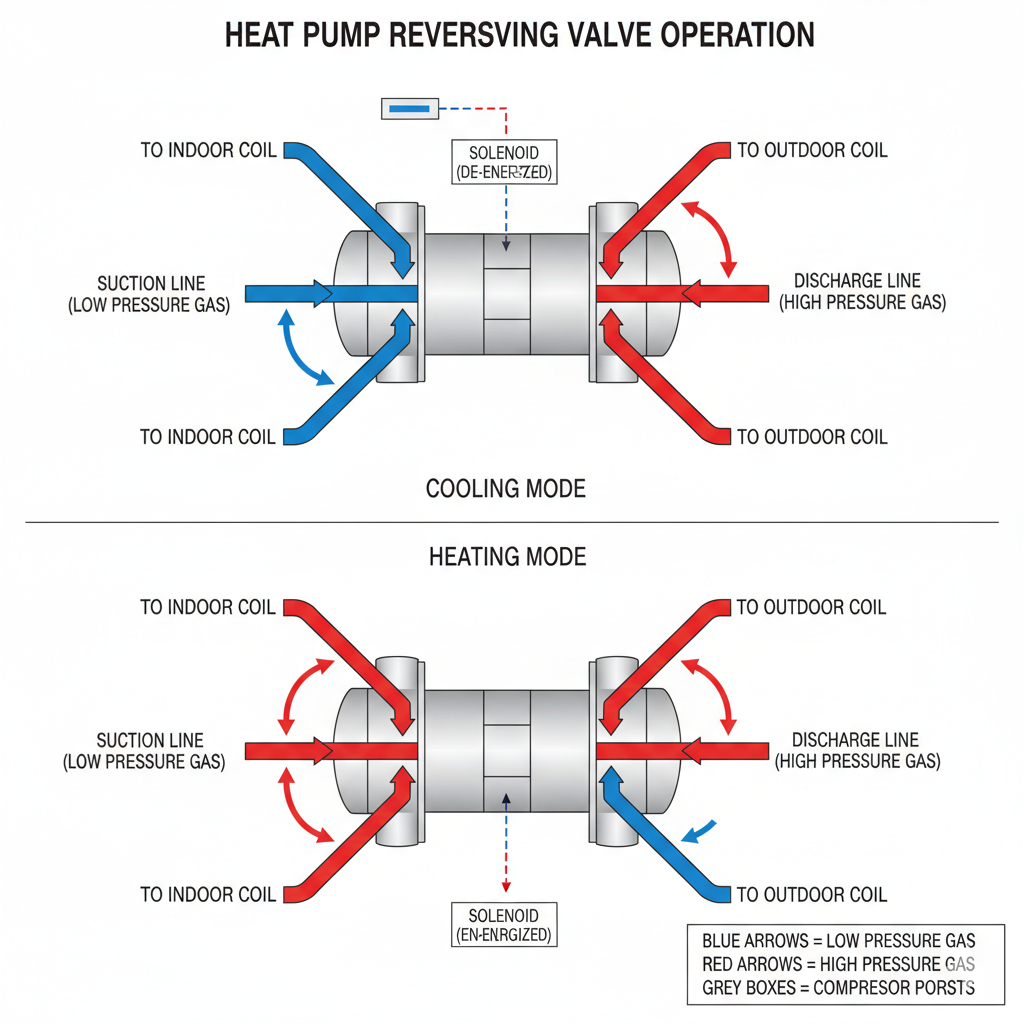
The reversing valve is controlled by an electromagnetic solenoid. When activated, this solenoid moves a mechanism inside the valve to switch the refrigerant flow. Here’s how it works in a bit more detail:

  • In Cooling Mode: The solenoid is de-energized, allowing the refrigerant to flow in one direction, absorbing heat from your home and releasing it outside.
  • In Heating Mode: When heating is required, the solenoid is energized, reversing the flow of refrigerant to absorb heat from the outside air and release it inside.

This seemingly simple switch between modes is what makes the heat pump so energy-efficient, as it doesn’t require separate systems for heating and cooling.

The Cooling and Heating Cycle

The cooling cycle and heating cycle are directly influenced by the reversing valve, which dictates the refrigerant’s direction of flow. The heat pump operates by continuously cycling between these modes as needed. For example:

    • Cooling Mode: When the temperatures soar in Orlando or Miami, the heat pump absorbs warm air from your home and expels it outside.

    • Heating Mode: When it cools down, the pump reverses its function, pulling heat from the outdoor air and circulating it inside, even when temperatures aren’t drastically cold, like in Tampa.

This efficient cycle reduces the need for separate heating and cooling systems, saving both space and energy

Why Does a Reversing Valve Get Stuck?

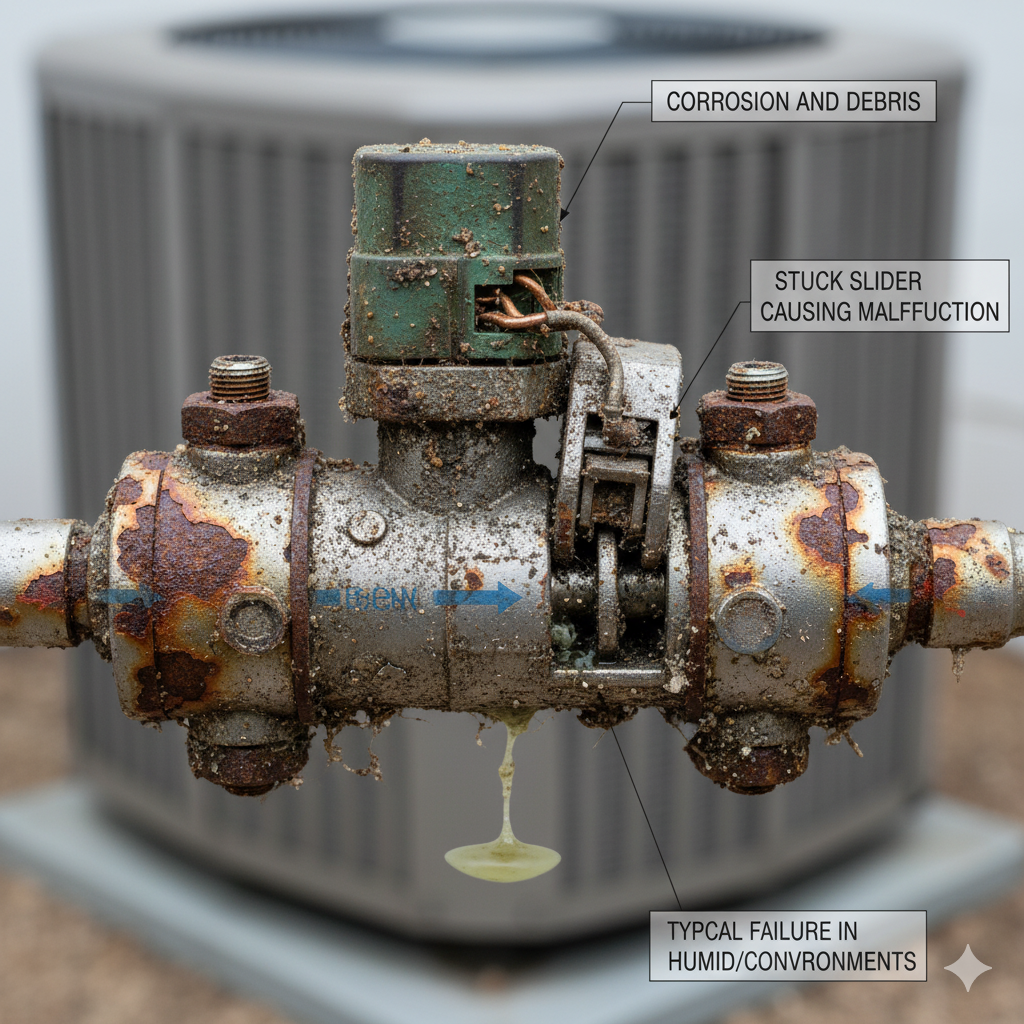
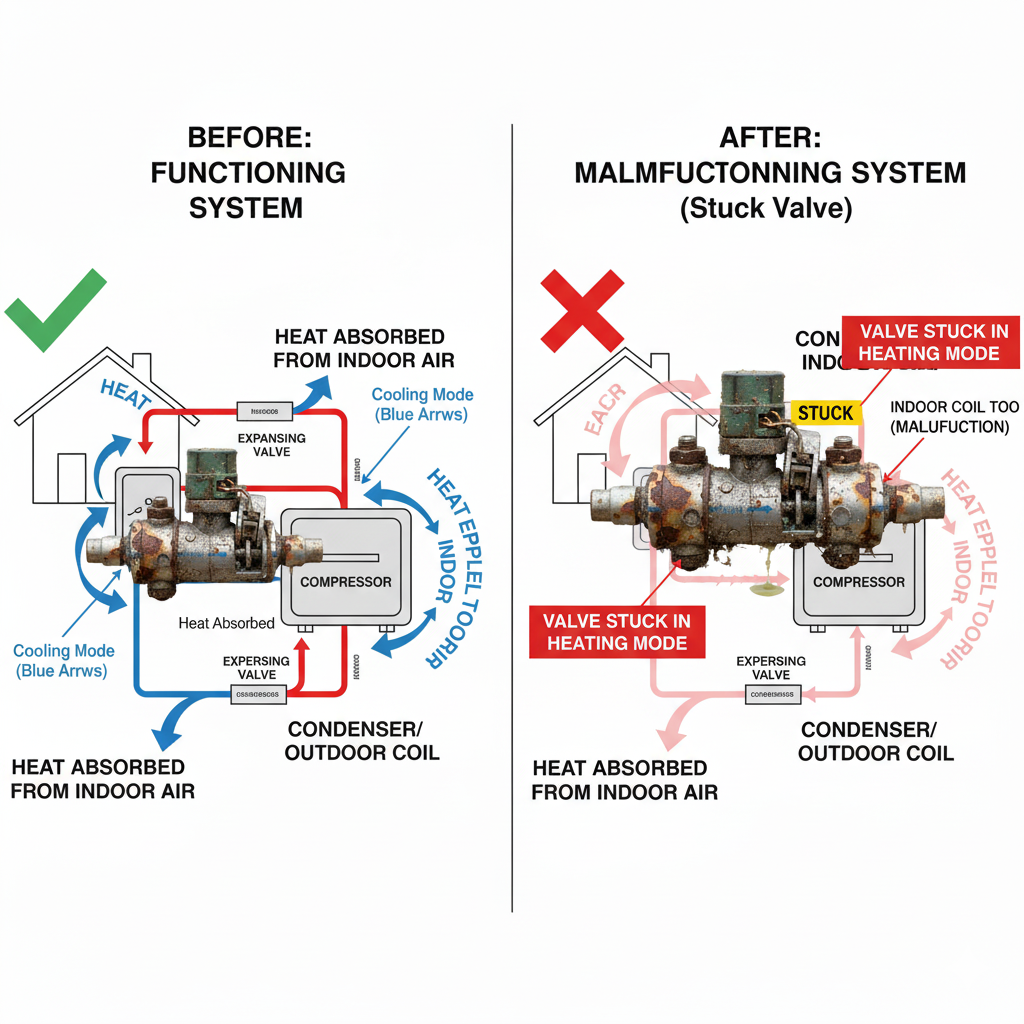
Over time, like any HVAC component, the reversing valve can face issues. Wear and tear, dust accumulation, or corrosion can cause it to stick or malfunction. These issues are particularly prominent in Florida due to the high humidity and salt in the air (especially in coastal areas like Key West). When the valve gets stuck, your heat pump may fail to switch between heating and cooling modes, leaving you uncomfortable and causing higher energy consumption.

Common Causes of Sticking

  • Dust and dirt buildup
  • Corrosion (especially near coastal areas)
  • Wear from prolonged use
  • Improper installation

Signs Your Reversing Valve is Stuck or Malfunctioning

Recognizing the signs early can prevent further damage to your heat pump system.

Inability to Switch Between Modes

One of the most obvious signs that your reversing valve is malfunctioning is the inability to switch between cooling and heating modes. Your system may stay in one mode, even when the temperature demands a switch.

Diminished Heating and Cooling Performance

If your heat pump is no longer effectively heating or cooling, it could be due to the reversing valve not operating properly. A malfunctioning valve can lead to uneven temperatures and a general lack of comfort inside your home.

Increased Utility Bills

A stuck valve will cause the system to work inefficiently, which often results in higher energy bills. If your utility costs seem unusually high, this could be a key indicator that the reversing valve needs attention.

How to Unstick a Heat Pump Reversing Valve

Clean the Exterior of the Valve

Cleaning the valve’s exterior is the first step to prevent dust and debris buildup. Here’s how to do it:

Lorem ipsum dolor sit amet, consectetur adipiscing elit. Ut elit tellus, luctus nec ullamcorper mattis, pulvinar dapibus leo.
1.Turn off the power to your heat pump.
2.Remove any visible debris from the valve area.
3.Use a soft cloth to wipe the valve clean.

Test the Solenoid

  1. Turn off the system.
  2. Use a multimeter to check if the solenoid is receiving the correct electrical charge.
  3. If it’s not working properly, consider replacing it.

Check the Capillaries and Wiring

Inspect the wiring and capillaries to ensure there are no blockages or damage that could be causing the malfunction. If you’re unsure, consider having a professional inspect these components to avoid further damage.

How Do You Know if Your Reversing Valve is Faulty?

A faulty reversing valve can cause several issues that affect system performance.

Symptoms of Failure:

  • Difficulty switching modes: If your heat pump won’t switch between heating and cooling.
  • Poor system performance: If your home feels uncomfortable despite the system running.
  • Rising energy bills: Inefficiency leads to higher costs.

If you notice these symptoms, it’s crucial to have your system checked pro

Preventive Maintenance Tips for the Reversing Valve

Maintenance Tips:

  • Regular cleaning: Clean the valve and surrounding components to prevent dust and dirt buildup.
  • Annual inspections: Schedule annual HVAC check-ups to keep everything in working order.
  • Timely repairs: Address issues as soon as they arise to prevent more serious damage.

By following these tips, you can extend the lifespan of your reversing valve and keep your system running efficientl

Conclusion

Your heat pump’s reversing valve is a small but mighty component that plays a huge role in your home’s comfort and energy efficiency. By understanding how it works and recognizing signs of malfunction early, you can prevent costly repairs and keep your home comfortable year-round.

Don’t wait until problems arise—schedule a regular HVAC check-up to ensure your system is running at peak efficiency.

FAQ

Q1.When is the Reversing Valve Energized?

The reversing valve is energized when the system switches from cooling to heating mode. This happens when the thermostat detects the need for warmth, activating the solenoid.

Q2.What Causes a Reversing Valve to Stick?

Common causes include dust accumulation, corrosion (especially in coastal areas), wear and tear, and improper installation.

Q3.How Can I Prevent My Reversing Valve from Failing?

Regular maintenance, including cleaning and annual professional inspections, is key to keeping your reversing valve in good working order.