What Are the Benefits of a Variable‑Speed Air Conditioner?
If you’re a homeowner in Florida, you know how brutal summer can get. The heat is relentless, the humidity is high, and your air conditioner probably runs more often than you’d like. Traditional AC systems often leave you with uneven cooling, noisy operation, and sky high electric bills.
That’s where variable speed air conditioners come into play. Not just another AC upgrade these systems deliver smart AC performance, quiet cooling, and real energy savings, all while optimizing your home airflow and giving you cool comfort in a way standard systems simply can’t.
In this post, we’ll explore what makes variable speed ACs different, why they’re a great fit for Florida homes, and what key benefits they bring. We’ll also talk about costs, potential drawbacks, and how to decide if a variable-speed system is the right AC upgrade for you.
What Makes Variable‑Speed AC Systems Different?
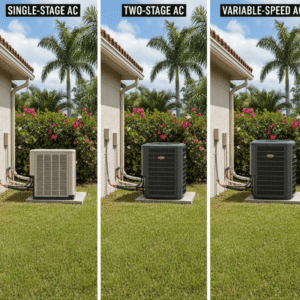
Variable-speed air conditioners represent a major leap in HVAC technology. Unlike older single stage or even two-stage systems, they can modulate their output to match your cooling needs not just turn on or off.
Here’s a breakdown:
- Single-Stage AC: Runs at 100% capacity when on, then shuts off.
- Two-Stage AC: Has two settings (low and high) better than single-stage, but still limited.
- Multi‑Stage AC: More steps or “stages” of power, but not fully smooth.
Variable-Speed AC: Can adjust from as low as ~25% up to 100%, ramping up or down smoothly.
How a Variable‑Speed AC Works
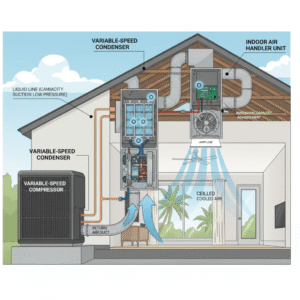
A variable-speed AC uses an advanced compressor and often a variable-speed blower motor (also called an ECM or inverter motor).
Why Florida Homes Benefit from Variable‑Speed ACs
Florida’s climate amplifies the advantages of variable-speed systems:
- Humidity Control: High humidity is a constant in many parts of Florida. By running longer at low speed, variable-speed ACs remove more moisture from your indoor air, making your home feel cooler and less sticky.
- Extended Run Time: Because they don’t short-cycle, these systems can run more consistently through long, hot days — perfect for Florida’s extended cooling season.
- Energy Savings in Peak Demand: Variable-speed systems reduce energy surges when starting up, which helps both in terms of cost and stress on the electrical grid.

Key Benefits of Installing a Variable‑Speed Air Conditioner
Here are the major advantages of going with a variable-speed AC in your home — and how they align with what Florida homeowners care about most.
Greater Energy Efficiency
- Lower Startup Load: Because the system rarely has to start at maximum power, it avoids the big energy spike that happens each time a traditional AC starts.
- High SEER Ratings: Many variable-speed units have SEER (Seasonal Energy Efficiency Ratio) ratings well above 18 some even reach the low to mid‑20s.
- Real Savings: The Department of Energy suggests variable-speed units are significantly more efficient than single-speed ones.
- Eco Cooling: Because these systems draw less power overall, they’re better for the environment especially if you’re interested in green upgrades.
Bottom line: Over time, the energy savings from a variable-speed AC can often offset the higher upfront cost, especially in a place like Florida where cooling demand is high.
More Consistent Comfort
One of the best things about variable-speed AC is how smoothly it maintains your preferred temperature.
- Precise Temperature Control: Variable-speed systems can hold your set point within a very tight range, reducing the hot/cold swings typical of older systems.
- Even Distribution: By running longer and more gradually, these systems promote better home airflow, avoiding “hot spots” or rooms that feel stuffy.
- Dehumidification: As mentioned, the system runs longer low pulling out more humidity and keeping the air feeling fresh and dry.
- Cool Comfort: If you’ve ever felt a blast of ice-cold air followed by a shutdown, variable-speed AC feels like a gentle, steady breeze far more comfortable.
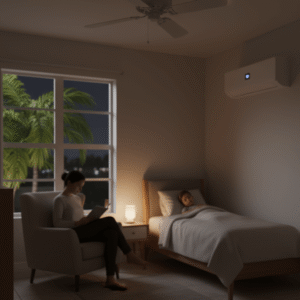
Quieter Operation
- Low-Speed Whisper: Most of the time, the system runs at a fraction of its capacity. That means whisper-quiet operation inside and out.
- No Start-Up Clang: Traditional ACs kick on loudly not so with variable-speed. The ramp-up is gradual and smooth.
- Ideal for Night: If your outdoor unit is near bedrooms or living areas, the quieter operation makes a big quality of life difference.
Improved Indoor Air Quality
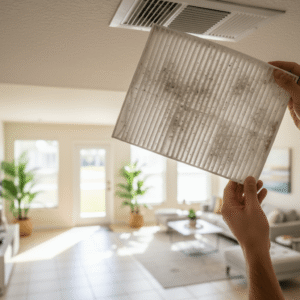
- Continuous Air Circulation: Because variable-speed units run longer, more air filters through your HVAC system more often
- Better Filtration: More filter cycling means more dust, pollen, and allergens are captured helping reduce indoor pollution.
- Health Benefits: For allergy sufferers, families with kids, or anyone sensitive to poor air quality, this improved filtration really pays off.
- Humidity Control: Lower humidity helps prevent mold growth a real issue in humid Floridian homes.
Increased Longevity & Durability
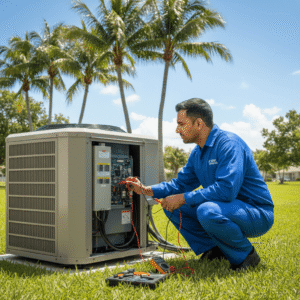
- Less Mechanical Stress: By avoiding constant on/off cycling, variable-speed systems place far less strain on components like the compressor.
- Extended Lifespan: These systems often outlast single-stage units by a few years, particularly when installed and maintained properly.
- Fewer Repairs: Less wear can translate into fewer service calls — fewer breakdowns, fewer replacement parts, and more peace of mind.
- Long-Lasting AC: Over the life of the system, you may spend less on maintenance and replacements.
Smart AC & Advanced Controls
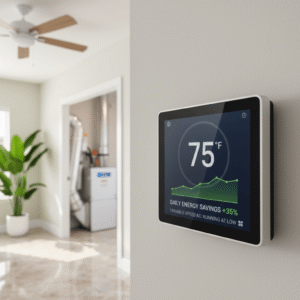
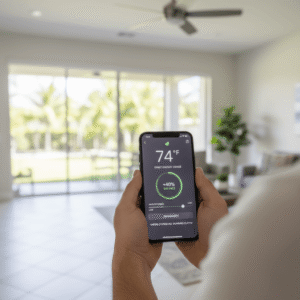
- Thermostat Integration: Variable-speed ACs often pair well with smart thermostats (like Nest, Ecobee) to maximize efficiency and control.
- Zoning Capabilities: They can support zoning setups, allowing different rooms to be cooled at different levels giving each area cool comfort as needed.
- Remote Monitoring: Through smart home integration, you can adjust temperature, view usage data, and even get maintenance alerts all from your phone.
- AC Upgrade That Pays Off: This isn’t just a more efficient AC it’s an intelligent, future-proof system that gives you more control and better performance.
Cost Considerations
Making the jump to a variable-speed AC isn’t free, but the long-term value is compelling especially in Florida.
- Higher Upfront Cost: Variable-speed units typically cost more to buy and install than single-stage or two-stage systems.
- Return on Investment: With energy savings and longer system life, many homeowners recover the extra cost in 5–10 years, depending on electricity usage and local rates.
- Utility Rebates & Incentives: In some areas, you may qualify for utility rebates or incentives for installing high efficiency systems.
- Financing Options: Many HVAC companies offer financing or payment plans, letting you spread out the cost of this AC upgrade.
- Eco Impact: By consuming less energy, you’re also reducing your carbon footprint a benefit that goes beyond just your wallet.
Drawbacks or Considerations
It’s not all sunshine and savings there are a few trade-offs to weigh before going variable speed.
- Complex Repairs
More sophisticated electronics and parts mean repairs can be more expensive. - Higher Initial Price
For someone just after a quick, cheap replacement, a single-stage unit may seem more appealing. - Longer Run Times
Low-speed operation means the system runs more often which is good for dehumidification and comfort, but can feel like it’s “always on.” - Smart Thermostat Needed
To fully leverage the benefits, you might need a compatible smart thermostat another cost. - Overkill for Some Homes
Not every home needs variable-speed. If your house is small or already very efficient, the improved performance might not justify the premium.
How to Choose the Right Variable‑Speed AC for Your Home
If you’re seriously considering a Florida AC upgrade, here’s a smart checklist to help you pick the right variable-speed system:
- Size Matters: Make sure the system is properly sized for your home not too big, not too small.
- SEER Rating: Look for units with SEER ratings that justify the price over time.
- Brand & Reliability: Go with trusted HVAC brands that have strong warranties and local service.
- Smart Controls: Choose a unit that integrates well with smart thermostats if you want advanced control.
- Humidity Handling: Given Florida’s climate, ensure your system is optimized for dehumidification.
- Ductwork Check: Make sure your ducts are clean and properly sealed variable-speed systems work best with good airflow.
- Local Installer: Work with an HVAC contractor who understands Florida cooling needs and can size and install the system correctly.
Talk to local HVAC professionals in Florida whether you’re in Orlando, Tampa, Miami, or elsewhere and ask them specifically about the long-term savings, warranty, and smart integration of variable‑speed systems.
Take the Next Step
You’re no longer just thinking about an AC you’re considering a smart, efficient upgrade. Here’s what to do next:
- Reach out to licensed HVAC contractors in your Florida zip code ideally ones with experience installing variable-speed systems.
- Ask for a detailed quote: including SEER, projected energy savings, and warranty info.
- Talk about financing or rebates these systems qualify for incentives in many regions.
- If you already have a smart thermostat, see if it’s compatible with a new variable-speed AC or plan to upgrade your thermostat as part of the project.
Upgrading to a variable-speed AC isn’t just a purchase it’s a long-term investment in comfort, energy efficiency, and your home’s value.
Related Learning & Resources
- Indoor Air Quality Tips for Florida Homes: How to keep your HVAC filters clean, manage humidity, and reduce allergens.
- AC Maintenance Checklist for Humid Climates: Best practices to keep your system running smoothly in high-moisture environments.
- Home Airflow Optimization: How to ensure your ductwork and register layout maximize your cooling efficiency.
- Local HVAC Guides: Find trusted contractors in Miami, Orlando, Tampa, Jacksonville, or Fort Lauderdale.
Florida-Focused Insights
- In cities like Orlando, Tampa, and Jacksonville, homeowners spend a large portion of their annual utility bills on cooling. A high-efficiency variable-speed system can make a huge difference.
- If you’re near landmarks like Disney World (Orlando) or South Beach (Miami), you understand that peak daytime heat is non-stop and your AC can run for hours.
- Some Florida utility providers offer rebates for installing high-SEER AC systems ask your HVAC contractor or check your provider’s website.
Conclusion
Variable-speed air conditioners offer a smart, high performance solution for Florida homeowners looking to stay cool, save money, and breathe cleaner air. With consistent temperature control, quiet operation, enhanced humidity removal, and energy savings, this kind of system is more than a luxury it’s a long-term investment in comfort and efficiency.
If you’re ready for an AC upgrade that truly delivers, talk to a trusted local HVAC expert about a variable-speed system today. You’ll be investing in a long-lasting AC, better home airflow, and a future of eco cooling. Make the switch, and let your Florida home feel smarter, quieter, and more efficient.
FAQs
Are variable-speed air conditioners worth the investment?
Yes for many homeowners, the long-term energy savings, better comfort, and fewer repairs make a variable-speed AC a smart investment. Because these units run more efficiently and last longer, they often pay for themselves over time. HVAC
How much can I save on my electricity bill with a variable-speed AC in Florida?
It depends on your usage, utility rates, and how efficient your home is. But many homeowners see 15–25% savings or more. Climate Experts AC Over time, that adds up especially in a state where AC runs for much of the year.
What is the difference between single‑stage, two‑stage, and variable‑speed AC?
Type | How It Works | Pros | Cons |
Single‑Stage | Full power or off | Cheapest to buy | Less efficient, noisy, uneven cooling |
Two‑Stage | Low or high setting | More comfort, moderate efficiency | Less precise than variable-speed |
Variable‑Speed | Modulates between ~25%–100% | Best efficiency, comfort, humidity control | Highest upfront cost, more complex repairs |
Do variable‑speed ACs run all the time?
Not exactly. They run longer, but at lower speeds most of the time. This means less on/off cycling, quiet cooling, and better humidity control. HVAC
Can I upgrade my existing AC to a variable‑speed system?
It depends on your current setup. Sometimes you can retrofit just the air handler or blower, but other times a full system swap (outdoor unit + air handler) may be needed. A local Florida HVAC contractor can evaluate your ducts, electricity, and system to recommend the best path forward.