7 Tips for Maximizing Heat Pump Efficiency in Winter Park, FL
Winter Park, Florida, is famous for its scenic lakes, tree-lined streets, and cultural landmarks like Central Park, Rollins College, and the bustling Park Avenue district. While winters here are milder than northern regions, homeowners still face the challenge of keeping their homes warm efficiently without skyrocketing utility bills. Florida’s humidity and seasonal temperature swings can also affect heat pump performance, making proper maintenance essential.
Many Winter Park residents notice their heat pumps running constantly, uneven heating, or high energy bills. The good news is that small, consistent maintenance habits, coupled with smart operational practices, can maximize your heat pump’s efficiency and prolong its lifespan. These strategies are recommended by certified HVAC professionals serving Winter Park and Orlando, ensuring reliable and actionable guidance.
By following these seven tips, you can maintain comfort, reduce energy costs, and ensure your system lasts for years all while staying environmentally responsible.
Why Heat Pump Efficiency Matters in Florida Homes
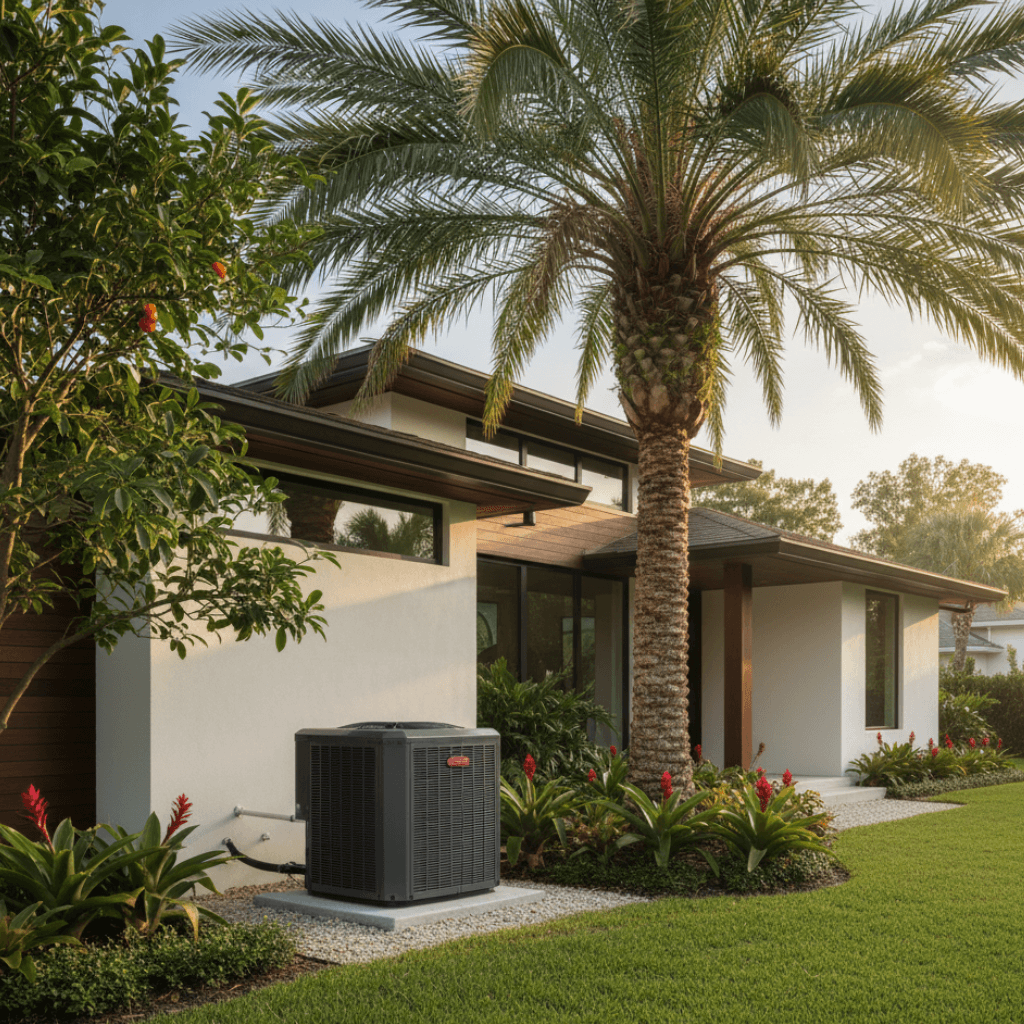
Heat pumps are highly efficient because they transfer heat instead of generating it, which allows them to provide both heating and cooling efficiently. However, even the best systems require proper care to maintain peak performance. In Winter Park, specific climate factors like humidity, mild winter temperatures, and local dust can affect efficiency.
Key Points:
- Efficient heat pumps use less electricity, saving homeowners money on energy bills.
- Properly maintained systems require fewer repairs, reducing downtime and long-term costs.
- Maximizing efficiency contributes to environmental sustainability, lowering your home’s carbon footprint.
Efficient heat pumps use less electricity to maintain comfort, cutting costs and carbon output.
7 Proven Tips to Maximize Your Heat Pump Efficiency
1. Use Caution When Adjusting the Thermostat
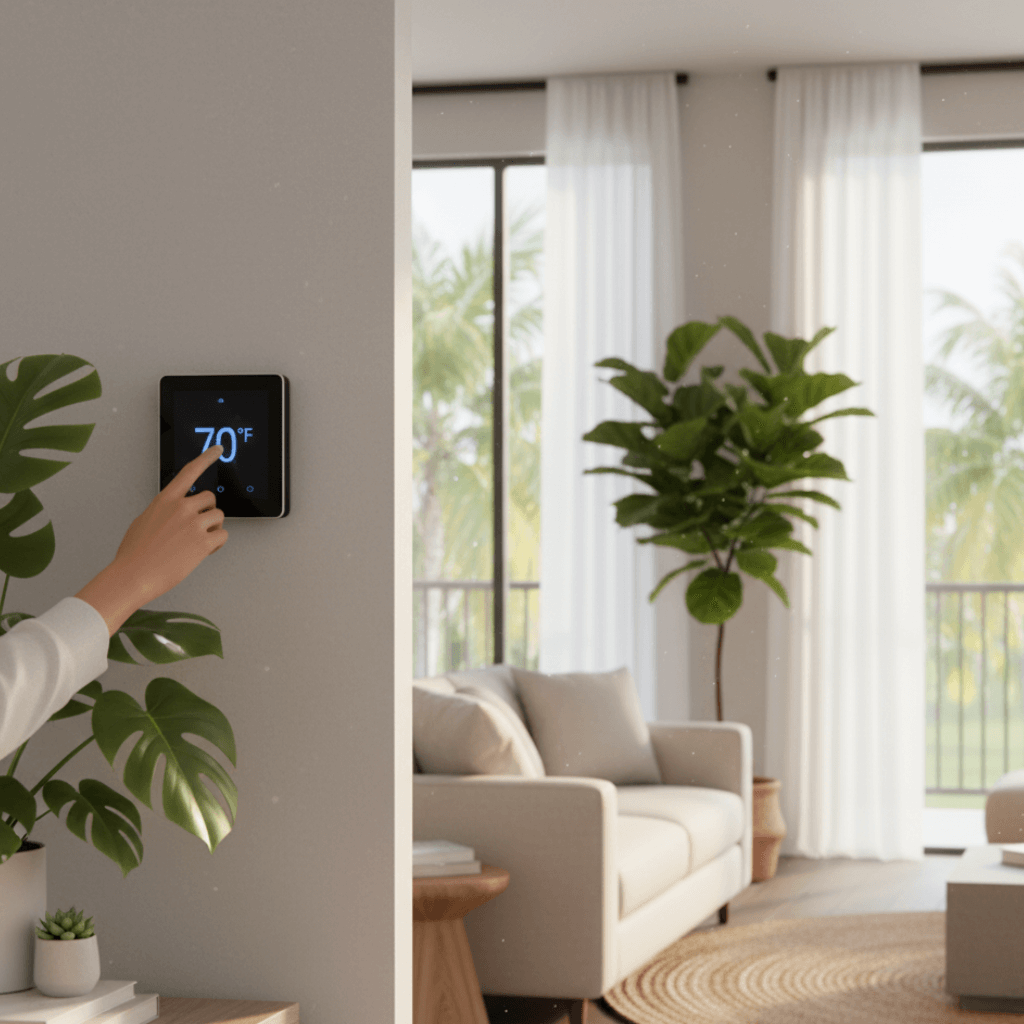
Frequently adjusting your thermostat can cause short-cycling, which forces your heat pump to work harder than necessary. Short-cycling not only increases energy usage but also accelerates wear and tear on your system.
Practical Advice:
- Maintain a steady indoor temperature, ideally between 68–72°F during winter nights.
- Adjust the thermostat only slightly when leaving home, such as when visiting Central Park or Winter Park Farmers’ Market.
- Gradual adjustments reduce system stress and improve efficiency.
Pro Tip: Consider programming small incremental changes instead of large swings to maintain comfort efficiently.
2. Install a Smart or Programmable Thermostat
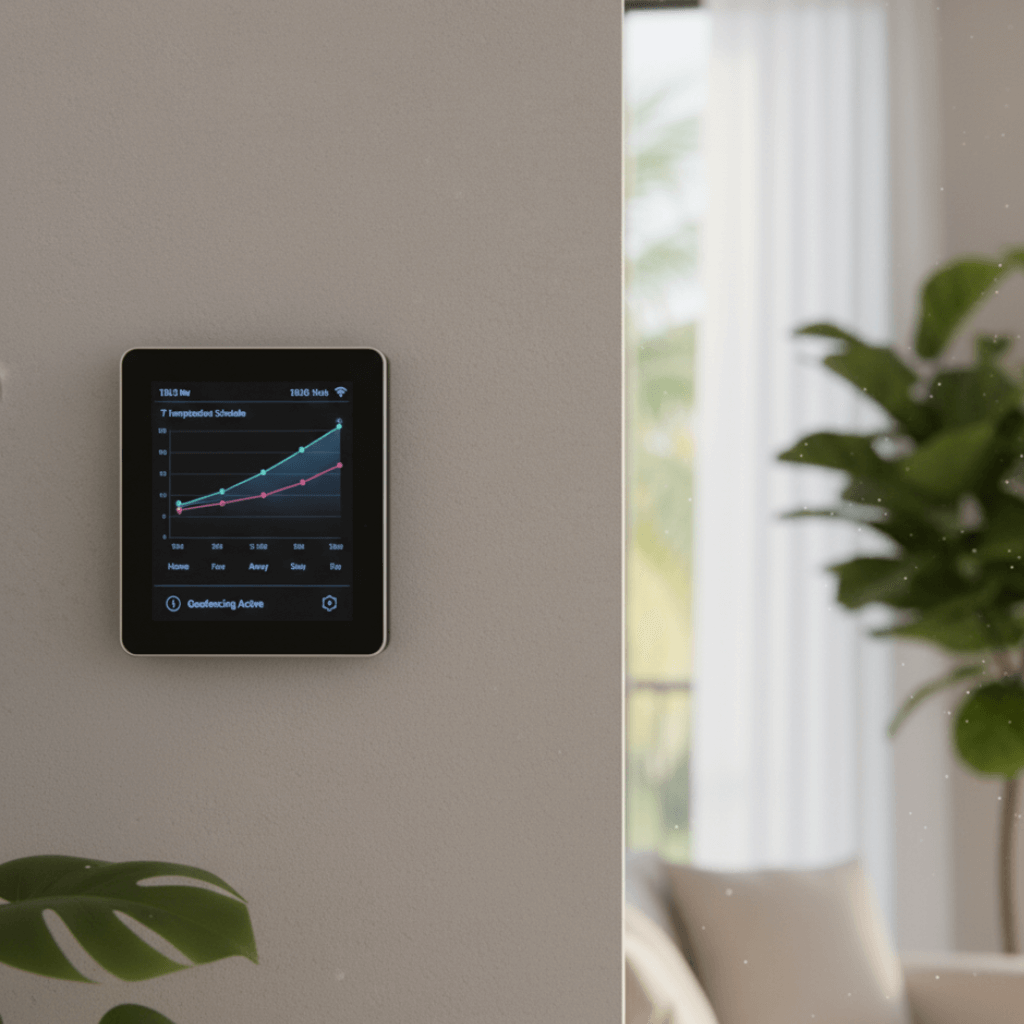
A smart thermostat optimizes heat pump operation by adjusting settings based on your daily schedule, local climate conditions, and your system’s performance.
Benefits for Winter Park Homes:
- Automated scheduling: Adjusts temperature when you’re away or sleeping.
- Remote control: Manage your system from anywhere, even while strolling along Park Avenue.
- Maintenance alerts: Receive reminders for filter changes or system servicing.
By tailoring operation to your lifestyle, you reduce unnecessary energy consumption and enhance comfort consistently.
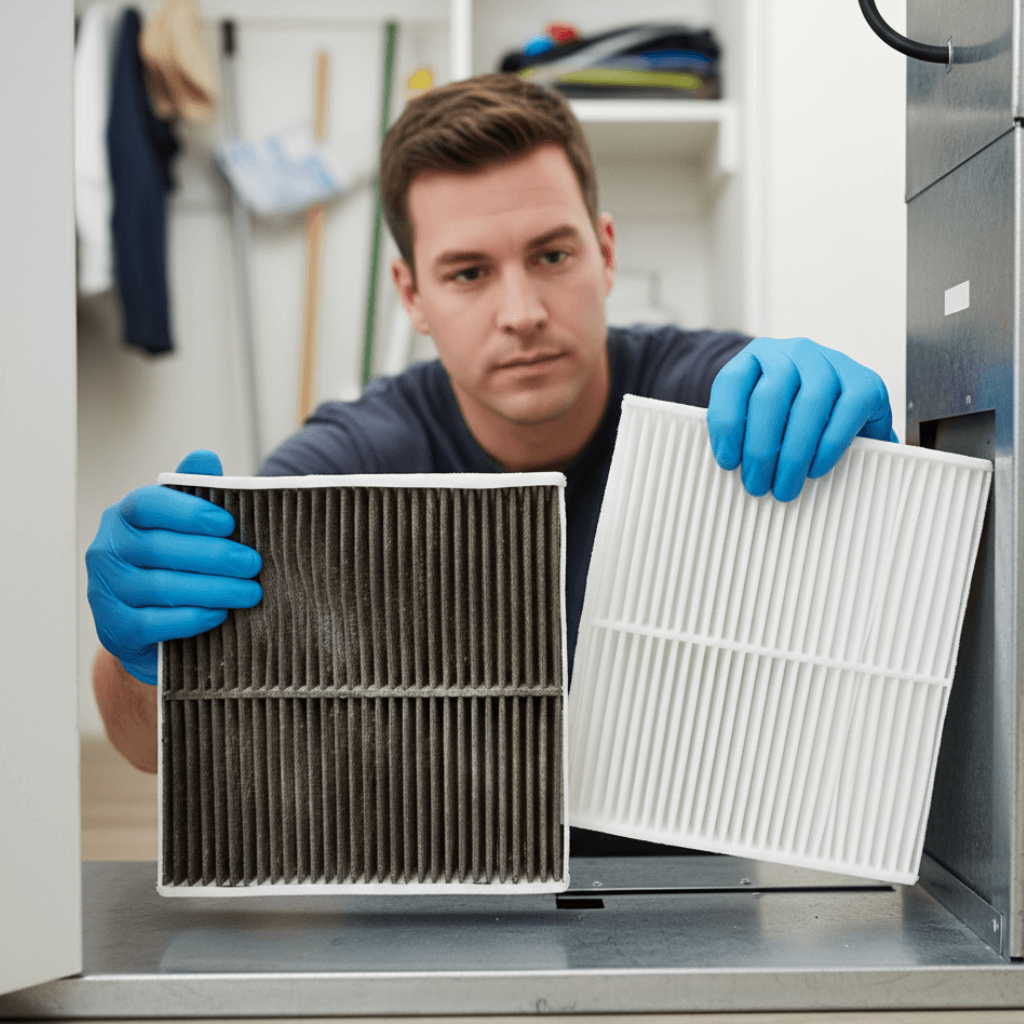
3. Clean or Replace Air Filters Every 30–60 Days
Air filters trap dust, pollen, and debris, ensuring clean indoor air and smooth airflow. In Florida, high humidity and frequent pollen spikes make regular filter maintenance crucial.
Action Steps:
- Inspect filters monthly and replace every 30–60 days.
- Keep spare filters on hand to maintain a consistent routine.
- Choose MERV 8–11 filters for optimal performance without restricting airflow.
Local Insight: After seasonal events at Mead Garden or heavy rains, check filters more often to prevent clogging.
Impact: Clean filters improve efficiency by up to 15% and prevent system strain, reducing the likelihood of costly repairs.
4. Maintain Consistent Indoor Temperatures
Avoid large temperature swings, which force the heat pump to work harder. Consistent indoor temperatures save energy and maintain comfort.
Tips:
- Use a programmable thermostat for night and day schedules.
- Open doors for better airflow between rooms, especially areas like living rooms facing Lake Osceola.
- Use zoning systems if available to target specific areas without heating or cooling unused spaces.
Set it and forget it consistency is key to energy efficiency.
5. Set for Comfort, Not Extreme Heat
Comfort depends on temperature, humidity, and airflow. Ceiling fans, portable fans, and strategic placement of vents can improve heat distribution.
Local Tips:
- Close blinds during sunny Winter Park afternoons to reduce solar heat gain, particularly for homes near Park Avenue.
- Use fans to circulate warm air without running your heat pump at higher temperatures.
This approach balances energy savings with comfort, ensuring your home remains cozy year-round.
6. Ensure Clear Airflow Around the Outdoor Unit
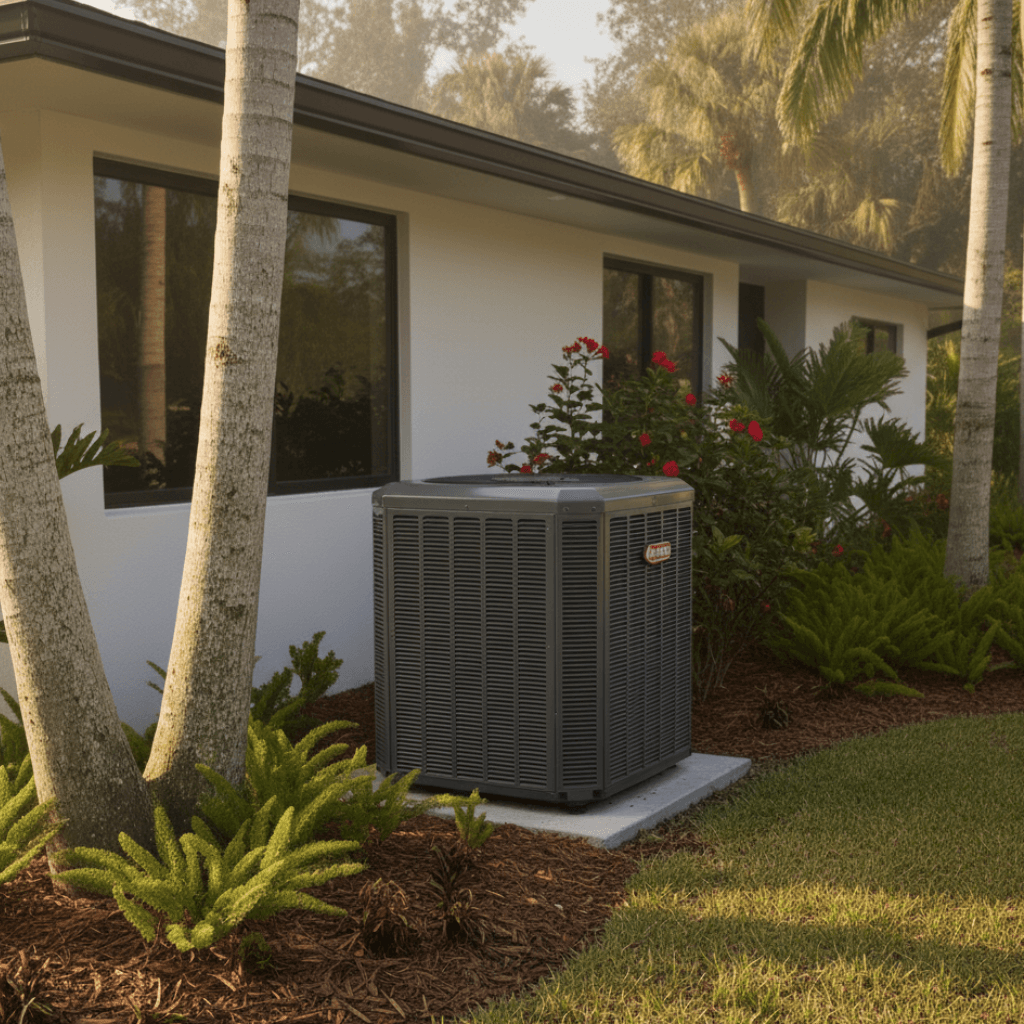
Your outdoor unit requires at least 2 feet of clearance on all sides for optimal airflow. Obstructions reduce efficiency and can cause system stress.
Maintenance Tips:
- Remove leaves, branches, and debris weekly, especially after storms or community events like the Winter Park Sidewalk Art Festival.
- Keep shrubs and landscaping at a safe distance.
- Ensure the unit is on level, stable ground to prevent drainage issues.
Proper airflow improves heat transfer, reduces energy consumption, and prevents premature system wear.
7. Schedule Professional Maintenance Twice a Year
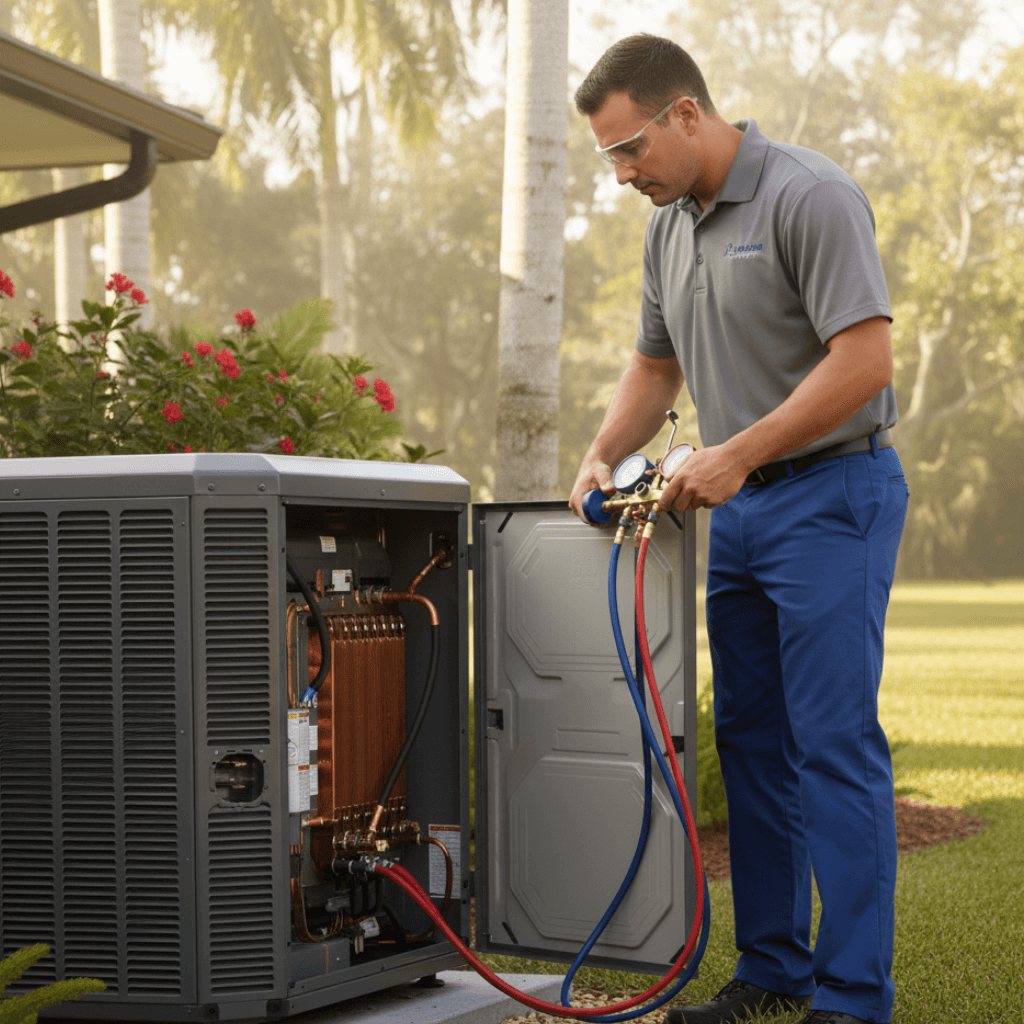
Professional tune-ups are the most effective way to maintain heat pump efficiency. Licensed HVAC technicians perform checks that homeowners often overlook.
What They Inspect:
- Refrigerant levels and leaks
- Coil cleaning
- Ductwork inspection
- Thermostat calibration
- Electrical connections and drain lines
Local Insight: Winter Park professionals understand Florida’s unique climate challenges and can tailor maintenance for optimal performance.
Book your seasonal heat pump inspection with a certified Winter Park HVAC professional today.
Bonus Energy-Saving Habits
- Seal ductwork and windows to prevent energy loss.
- Use blinds or curtains to manage heat gain and loss.
- Avoid heat-generating appliances during peak electricity usage hours.
Hyper-local Tip: During events like the Winter Park Sidewalk Art Festival, consider adjusting thermostats to compensate for increased foot traffic or open doors without wasting energy.
What a Professional Heat Pump Tune-Up Includes
|
Component |
Purpose |
Benefit |
|
Refrigerant Test |
Ensures proper pressure |
Prevents freezing & energy loss |
|
Coil Cleaning |
Removes dust & pollen |
Improves heat transfer & airflow |
|
Thermostat Calibration |
Aligns temperature readings |
Maintains stable comfort |
|
Electrical Inspection |
Checks wiring & connections |
Prevents system failure |
|
Drain Line Cleaning |
Clears clogs |
Reduces water damage risk |
Key Benefits of Improving Efficiency
- Lower Utility Bills – Save on electricity while maintaining comfort.
- Consistent Comfort Year-Round – No more cold or hot spots.
- Extended System Lifespan – Reduce the need for costly replacements.
- Fewer Repairs – Early maintenance prevents breakdowns.
- Environmentally Friendly Operation – Lower energy usage reduces carbon footprint.
Local Heat Pump Experts in Winter Park, FL
Residents living near Park Avenue, Rollins College, or Central Park trust certified Winter Park HVAC technicians to ensure efficient, reliable heat pump performance. These local experts understand the unique challenges of Florida homes and can provide tailored solutions for your property’s specific needs.

Conclusion
Keeping your Winter Park home comfortable doesn’t require complicated systems or costly upgrades. By following these 7 proven tips, maintaining air filters, using smart thermostats, ensuring clear airflow, and scheduling professional tune-ups, you can:
- Reduce energy bills
- Extend your heat pump’s lifespan
- Enjoy consistent year-round comfort
- Contribute to a greener, energy-efficient home
Local Insight: Whether you’re living near Park Avenue or enjoying a lakeside stroll at Lake Osceola, these actionable strategies ensure your heat pump operates efficiently, quietly, and reliably throughout the year.
FAQ
How often should I service my heat pump in Florida?
Twice yearly before summer and winter seasons.
What temperature should I set it to in winter?
Maintain 68–72°F for optimal balance between comfort and efficiency.
Why is my heat pump running constantly in mild weather?
Restricted airflow, low refrigerant, or thermostat calibration issues are common causes.
What are signs my heat pump needs maintenance?
High electricity bills, weak airflow, uneven temperatures, and unusual noises.
Can a heat pump work efficiently in Florida humidity?
Yes, with regular maintenance and proper airflow management.